 Land O'Lakes Siding
 New Roof Installation Built for Wiregrass Ranch, Not Just "Florida"
Wiregrass Ranch homes face a specific combination of stress that a generic roofing job doesn't account for: long stretches of intense UV exposure, sudden afternoon downpours that turn into wind-driven rain, and the real possibility of a tropical system pushing hurricane-force gusts through Pasco County in any given season. A roof that isn't installed with all three of those in mind will look fine for a year or two and then start failing exactly where it matters most — at the edges, the penetrations, and the fasteners.
This page covers what a correct new roof installation looks like specifically for homes in this neighborhood: the materials that make sense here, the parts of the job that get skipped by crews in a hurry, and why working with a contractor who already installs roofs in this community — not just "the Tampa area" in general — actually changes the outcome.
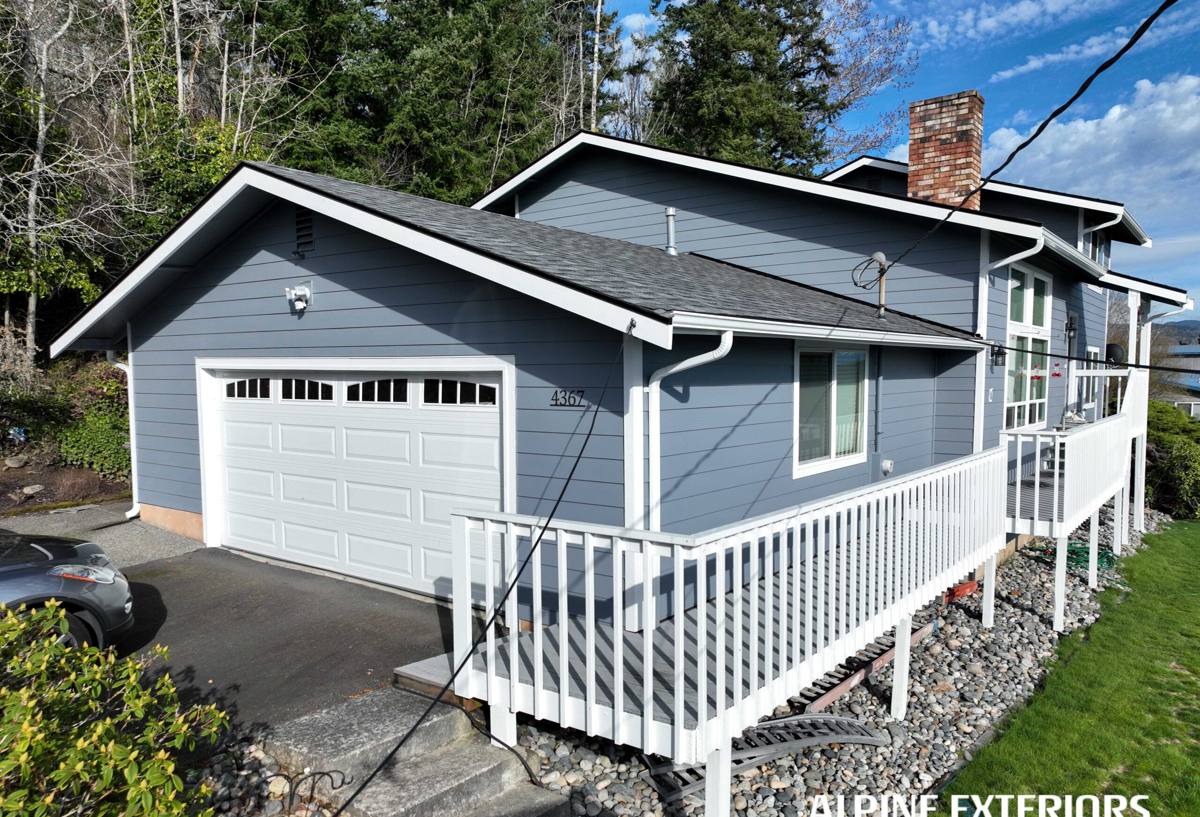
What Wiregrass Ranch Homes Are Up Against
Sun and heat
Central Florida gets some of the most consistent, high-angle UV exposure in the continental U.S. Asphalt shingles lose oils and granules to that exposure over time, and dark roof surfaces can push attic temperatures high enough to shorten the life of underlayment, decking, and anything stored in the attic. A roof system chosen without heat performance in mind will age faster here than the same product would in a milder climate.
Wind and storms
Land O'Lakes isn't in the state's highest wind-velocity design zone, but Pasco County still sees tropical storm and hurricane-force wind events, and every roof here is built to a wind-borne debris and uplift standard under the Florida Building Code. The failure point in a wind event is almost always the same: shingles or tiles at the edges, ridges, and hips where uplift pressure is highest, or flashing that wasn't properly sealed to begin with.
Wind-driven rain
A roof doesn't have to lose shingles to leak. Wind-driven rain can push water sideways and upward under improperly lapped underlayment or poorly sealed flashing, which is why the "invisible" layers of a roofing job — underlayment, flashing, and sealing details — matter as much as the shingles or tiles homeowners actually see.
Newer construction, HOA-governed exteriors
Many homes in Wiregrass Ranch are part of a planned community with an active homeowners' association governing exterior appearance, including roofing material and color. That adds a step to the process that older, non-HOA neighborhoods don't have, and it's worth planning for before you pick a material.
What a Correct New Roof Installation Actually Involves
"New roof" covers a lot of ground, and the difference between a roof that lasts and one that doesn't usually comes down to steps that aren't visible once the job is finished.
Full tear-off, not a layover
We remove the existing roofing material down to the deck rather than installing over an old layer. Layering over old shingles traps heat, hides deck damage, and voids most manufacturers' full warranty terms.
Deck inspection and repair
Once the deck is exposed, we check it for soft spots, delamination, and water staining — common in Florida homes where a slow leak has been going unnoticed under the shingles. Any damaged sheathing gets replaced before anything else goes down; nailing new shingles into compromised decking defeats the whole point of a new roof.
Underlayment suited to wind-driven rain
We install underlayment rated for this climate, with attention to proper overlap and sealing at every seam, not just the field of the roof. This is the layer that protects the deck if wind ever drives water past the shingles — it matters more here than in drier climates.
Flashing at every transition
Valleys, chimneys, skylights, and wall-to-roof transitions are where leaks actually start. Correct flashing work — new metal, proper laps, sealed correctly — is not optional and not something we reuse from the old roof.
Fastening to the wind uplift standard
Nailing pattern and fastener count are specified by code for your wind zone, not by habit. We follow the manufacturer's high-wind installation instructions and the applicable Florida Building Code requirements for this area, including proper nail placement, count, and starter course installation at the edges — where uplift failure starts.
Ventilation
A new roof is the right time to correct attic ventilation if it's inadequate. Proper intake and exhaust ventilation reduces attic heat buildup, extends shingle life, and helps control moisture — all of which matter more in a hot, humid climate than in most of the country.
Choosing a Roofing System for This Neighborhood
There isn't one "right" roofing material for Wiregrass Ranch — the right choice depends on your home's roof structure, your budget, HOA requirements if applicable, and how long you plan to own the home. Here's an honest comparison of the systems we install most often in this area.
| Material | Typical lifespan here | Wind performance | Trade-offs to know |
|---|---|---|---|
| Architectural (dimensional) asphalt shingle | 20-30 years | Good, when installed to high-wind spec with proper nailing | Best value; widest color range; needs correct ventilation to hit full lifespan in Florida heat |
| 3-tab asphalt shingle | 15-20 years | Lower wind rating than architectural | Lower upfront cost but shorter service life; we generally steer homeowners toward architectural instead |
| Concrete or clay tile | 40-50+ years (underlayment usually needs replacement sooner) | Excellent when properly fastened | Higher upfront cost; heavier — requires the structure to be rated for it; repairs need a tile-experienced crew |
| Standing seam metal | 40-60 years | Very good with proper panel fastening | Higher upfront cost; different look that may or may not fit HOA guidelines in a planned community |
For most Wiregrass Ranch homes with an asphalt shingle roof already in place, a high-quality architectural shingle system installed correctly is the most practical balance of cost, appearance, and durability. Where a home already has tile, we match the existing system rather than pushing a homeowner toward a different look, unless they specifically want a change.
Color and material approval
If your property is subject to an HOA in this community, check your association's architectural guidelines before finalizing a color or material — some communities restrict roof colors to an approved palette or require a submission and approval period before work begins. We're happy to provide the product specification sheets you'll need for that submission.
Our Installation Process, Start to Finish
- On-site inspection and estimate. We look at the existing roof, deck condition (where visible), attic ventilation, and any problem areas you've noticed, then give you a written estimate — no pressure, no hard sell.
- Material selection. We walk through options that fit your budget, your home's structure, and, if applicable, your HOA's requirements.
- Permitting. We pull the required permit through the appropriate local building department before work starts. This isn't optional and it protects you — a permitted, inspected roof is what your insurer and any future buyer will want to see.
- Tear-off and deck inspection. Full removal of the old roofing, with any deck repairs handled before new material goes down.
- Underlayment, flashing, and ventilation work. The layers that determine whether the roof actually performs in a storm.
- Shingle, tile, or metal installation to manufacturer high-wind specifications and Florida Building Code requirements for this area.
- Cleanup. Magnetic sweep for nails, debris removal, and a final walk-through with you.
- Final inspection. Coordinated with the local building department to close out the permit.
Cost Factors for a New Roof in This Area
Every home is different, so we don't quote sight-unseen — but these are the factors that most affect price for a Wiregrass Ranch roof replacement:
- Roof size and number of facets, valleys, and hips (more cuts and transitions mean more labor and flashing)
- Pitch — steeper roofs take longer and require more safety setup
- Existing layers — a full tear-off of multiple old layers costs more than removing one
- Deck condition — plywood replacement is priced separately once the deck is exposed
- Material choice — architectural shingle, tile, and metal are priced very differently
- Ventilation upgrades — adding or correcting intake/exhaust venting
- Permit fees, which vary by jurisdiction
Be cautious of any quote that skips a real inspection or comes in dramatically lower than others — it's usually a sign that tear-off, deck repair, or code-required underlayment and fastening are being left out of the price, only to show up as "surprise" add-ons later.
Why a Crew That Already Works Wiregrass Ranch Matters
Roofing crews that work a specific neighborhood repeatedly build a working knowledge of things that don't show up in a spec sheet: the typical roof pitches and layouts common to the area's construction, how the local building department likes permits and inspections handled, and what HOA architectural review committees in this kind of planned community typically expect for submissions. That familiarity shortens the timeline and reduces the back-and-forth that comes from a crew encountering all of it for the first time.
It also means faster response after a storm. When wind or hail passes through Land O'Lakes, a crew that already has a presence in this community can get to an inspection sooner than one dispatching from across the region, which matters if you're trying to get ahead of interior water damage or file an insurance claim before a repair deadline passes.
Signs You Need a New Roof, Not Another Repair
- Shingles that are curling, cupping, or losing granules across large areas rather than one isolated spot
- Multiple past repairs in different areas of the roof within a short span of time
- Visible sagging anywhere in the roofline
- Daylight visible through the attic decking or boards that feel soft underfoot in the attic
- Your roof is approaching or past the manufacturer's expected service life for its material and installation conditions
- Your insurer is requesting a roof certification or threatening non-renewal based on roof age or condition
A licensed roofer can tell you honestly whether you're looking at a repair or a replacement — we'll always tell you if a repair is the more sensible option, since a full replacement isn't the right call for every situation.
After Installation: What to Expect
A correctly installed roof shouldn't need much from you beyond normal upkeep, but a few habits extend its life in this climate: keep gutters clear so water isn't backing up under the eaves during heavy rain, trim back overhanging tree limbs that can drop debris or rub against shingles in wind, and have the roof looked at after any major storm even if nothing looks obviously wrong from the ground. Most storm damage that leads to a later leak starts small and isn't visible from the driveway.
If your home is in an HOA community, keep your roofing documentation — permit, final inspection, and product specification sheets — on file. It's often requested during resale or if the association ever needs to confirm your roof meets current guidelines.
If you're weighing a repair against a full replacement, or just want an honest read on where your roof stands, we're glad to come out and take a look. The estimate is free, there's no pressure to move forward, and you'll get a straight answer about what your roof actually needs — use the form below to get started.