 Land O'Lakes Siding
 Siding Repair Built for Plantation Palms Homes
Plantation Palms is one of the more established residential communities in Land O'Lakes, with homes that range from newer construction to houses now well into their second or third decade. Whatever the age of the house, the siding on it has been carrying the same job since the day it went up: keeping wind, rain, and sun off the wood framing and sheathing underneath. In a Pasco County climate, that job never really stops, and it shows up as small failures long before it shows up as a big one.
We repair siding on Plantation Palms homes regularly enough to know the pattern: panels that crack near fastener points, seams that open up after a few storm seasons, and paint that chalks and fades faster on the sun-facing side of a house than on the shaded side. None of that is unusual. What matters is catching it early and repairing it correctly, so a $300 problem doesn't turn into a $3,000 one.
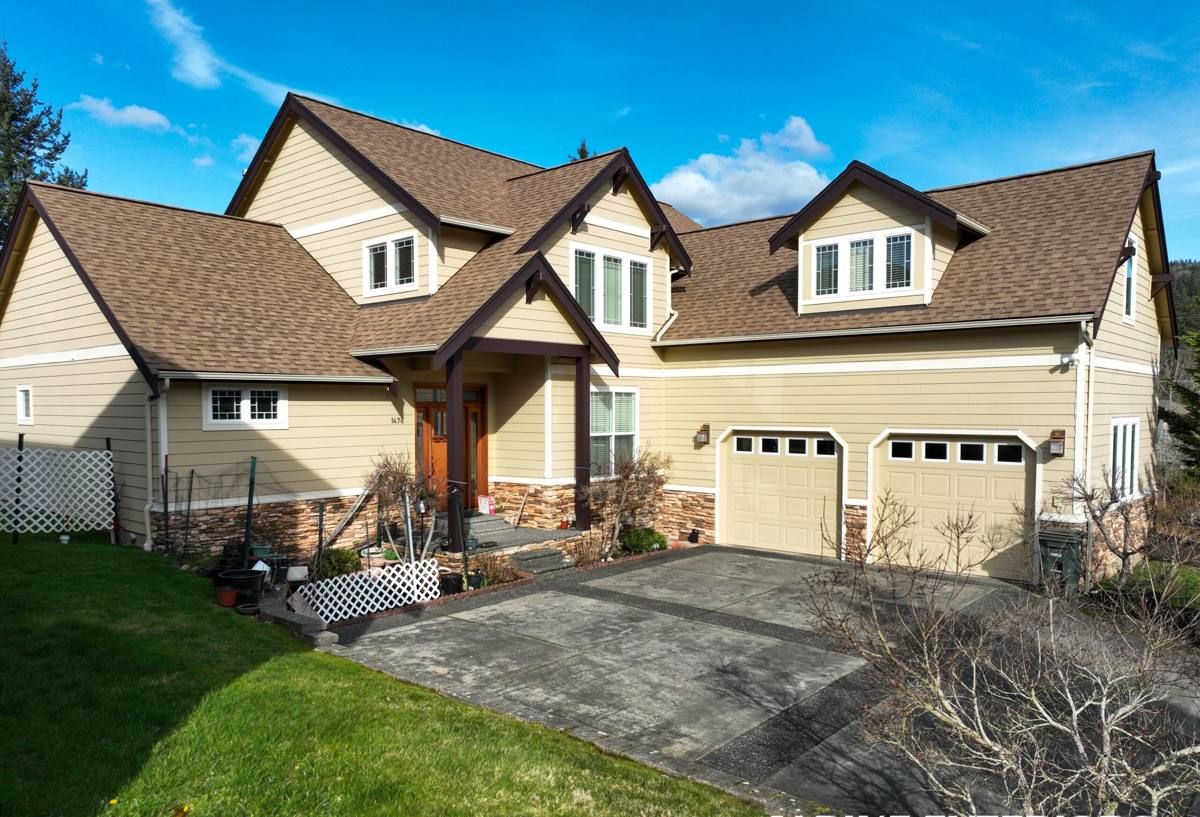
What Land O'Lakes Weather Does to Siding
Land O'Lakes sits inland from Tampa Bay but still takes the full brunt of Florida's exterior climate. A few things specifically wear on siding here:
- Hurricane-force wind events — even when a storm doesn't make a direct hit, wind gusts flex panels, pull at fasteners, and can crack or dislodge sections that were already weakened.
- Intense, year-round UV exposure — Florida's sun degrades paint film and, on lower-quality substrates, the material underneath, faster than in most of the country. South- and west-facing walls typically show wear first.
- Wind-driven rain — Pasco County's storms don't just fall straight down. Wind pushes rain sideways and up under laps, seams, and trim, which is where hidden moisture damage usually starts.
- Salt-influenced air — while Plantation Palms is inland compared to the immediate coast, moisture-laden Gulf air still reaches Land O'Lakes and accelerates corrosion on fasteners, flashing, and any exposed metal trim tied into the siding system.
Layer these four factors on top of each other for a decade or two, and even a well-built home develops localized siding problems well before the whole system is worn out. That's the gap a good repair fills.
Signs Your Plantation Palms Home Needs Siding Repair
Most siding failures give warning signs before they become entry points for water. Walk your exterior and look for:
- Cracked, split, or broken panels — especially near corners, window trim, or fastener locations
- Boards or panels that have started to bow, warp, or pull away from the wall
- Soft or spongy spots when you press on the siding near the bottom of walls or below windows
- Peeling, bubbling, or chalking paint that doesn't wipe clean
- Visible gaps at seams, corners, or where siding meets trim, roofline, or foundation
- Staining, dark streaks, or a musty smell near an exterior wall, which often points to moisture getting behind the siding
- Rust bleed from fasteners or trim, a sign the metal underneath is corroding
- Any area where a past storm dented, punctured, or knocked loose a section of siding
One or two of these on their own aren't an emergency. Several together, or any sign of soft sheathing, usually means it's time to get a closer look before the next storm season.
What a Correct Siding Repair Actually Involves
A siding repair that just covers the visible damage and leaves the cause untouched tends to fail again within a season or two. A correct repair works through the problem in order:
1. Find the actual source
Cracked siding is often a symptom, not the root cause. Before replacing anything, we check for the reason it failed — a fastener driven wrong, a gap that let water behind the panel, movement in the framing, or simple storm impact. Repairing the visible panel without addressing the cause just buys time.
2. Check what's behind the siding
Any time siding has been compromised long enough to let moisture in, the water-resistive barrier, flashing, and sheathing underneath need to be checked. Siding is the outer layer of a larger moisture-management system — patching the outside without confirming the inside is dry and intact is how small repairs turn into bigger ones later.
3. Match materials and fastening correctly
Repaired sections need to match the existing siding's profile, thickness, and reveal so the wall reads as one continuous surface, not a patchwork. Fasteners, flashing details, and caulking need to follow the same standards as new installation — not shortcuts because it's "just a repair."
4. Finish to match
Where color-matching is needed, we work to get as close a match as the existing material allows. On factory-finished fiber cement, this is far more consistent than trying to field-match a job-site paint mix.
Repair or Replace? How We Help You Decide
Not every damaged section needs a full re-side, but not every repair is worth doing either. We look at scope, condition, and age together before recommending a direction.
| Factor | Usually Points to Repair | Usually Points to Replacement |
|---|---|---|
| Damage extent | Isolated to one or two areas | Spread across multiple walls or elevations |
| Underlying sheathing | Dry, solid when checked | Soft, stained, or showing rot |
| Siding material condition overall | Rest of the siding is sound | Widespread cracking, warping, or paint failure elsewhere |
| Siding age and material | Newer material, or Hardie fiber cement | Original material was wood, older vinyl, or a product prone to moisture issues |
| Storm history | Single isolated impact | Repeat damage in the same areas after multiple storms |
If a home's existing siding is sound and simply took localized damage, a targeted repair is the honest recommendation — we're not going to push a full re-side a house doesn't need. If the underlying material is failing broadly, we'll tell you that plainly and explain why, rather than patching something that will keep costing money in small increments.
Our Siding Repair Process for Plantation Palms Homes
- On-site inspection. We look at the damaged area and the surrounding siding, not just the spot you called about, since related problems often sit nearby.
- Diagnosis of the cause. We identify why the failure happened, not just what it looks like.
- Written scope and estimate. You get a clear explanation of what needs to be repaired, what (if anything) behind the siding needs attention, and what it costs — no pressure to expand the job beyond what's actually needed.
- Repair work. Damaged sections are removed, the substrate is checked and corrected if needed, and new material is installed to the same standards as new construction.
- Finish and cleanup. Color-matching, caulking, and site cleanup so the repair blends in and the property is left the way we found it.
Why We Repair and Patch With James Hardie
Our company installs and repairs with James Hardie fiber cement siding exclusively — we don't install vinyl, LP SmartSide, or other fiber cement brands. That standard applies to repairs too, and it matters more than it might seem for a few practical reasons:
- Non-combustible material that holds up structurally to Florida humidity swings without the softening or warping that can affect engineered wood products over time.
- ColorPlus factory-applied finish, which gives us a far more consistent color match on repairs than field-mixed paint, and holds color longer under Florida's UV load.
- HZ5 product engineering, built specifically for high-humidity, storm-prone climates like ours, rather than a general-purpose formulation.
- A strong transferable warranty backing the material, which matters if you sell the home before the siding's service life is up.
When a repair calls for replacing full panels rather than patching, using Hardie material keeps the wall performing as one consistent system rather than mixing product types with different expansion rates, moisture behavior, and finish life — a mismatch that tends to show up as uneven weathering within a few years.
Why Local Experience in Plantation Palms Matters
A siding repair crew that already works in Plantation Palms and the surrounding Land O'Lakes area brings something a generalist can't: familiarity with how homes in this specific area actually age. We've seen which elevations take the most sun and wind exposure locally, which construction eras in this part of Pasco County are more prone to certain siding issues, and what correct repair work looks like on the specific home styles common to the neighborhood. That translates into faster, more accurate diagnosis and fewer surprises once work starts.
It also means shorter response times. Storm damage doesn't wait for a convenient scheduling window, and a crew that's already working in the area can typically get to an inspection faster than one traveling in from farther out.
Get a Free Siding Repair Estimate
If you've noticed cracked panels, storm damage, or soft spots on your Plantation Palms home, it's worth getting a straight answer on what's actually going on before it turns into a bigger repair. We'll take a look, explain what we find, and give you a clear, no-pressure estimate — use the form below to get started.