 Land O'Lakes Siding
 Zephyrhills Sits in a Tough Spot for Siding
Homes in the Zephyrhills area, out toward the eastern edge of the Land O'Lakes service area in Pasco County, take a different kind of beating than a house closer to the coast. It's not just one thing — it's the combination. Long, humid summers bake exterior walls in direct sun for months at a time. Afternoon thunderstorms roll through fast and hard, often pushing rain sideways into walls rather than straight down. And when a tropical system or hurricane tracks through central Florida, Zephyrhills gets the wind, even without waterfront exposure. Add in the fact that salt-laden air drifts further inland across the Florida peninsula than most homeowners assume, and you've got a climate that's genuinely hard on exterior materials — even ones marketed as low-maintenance.
A siding installation that looks fine on day one but wasn't built for this combination of stressors tends to show its weaknesses within a few years: swelling seams, cupped panels, faded color, or water finding its way behind the cladding. The goal of this page is to walk through what actually holds up here, and what a correct installation looks like — not a sales pitch, just what we've learned putting siding on homes in this part of Pasco County.
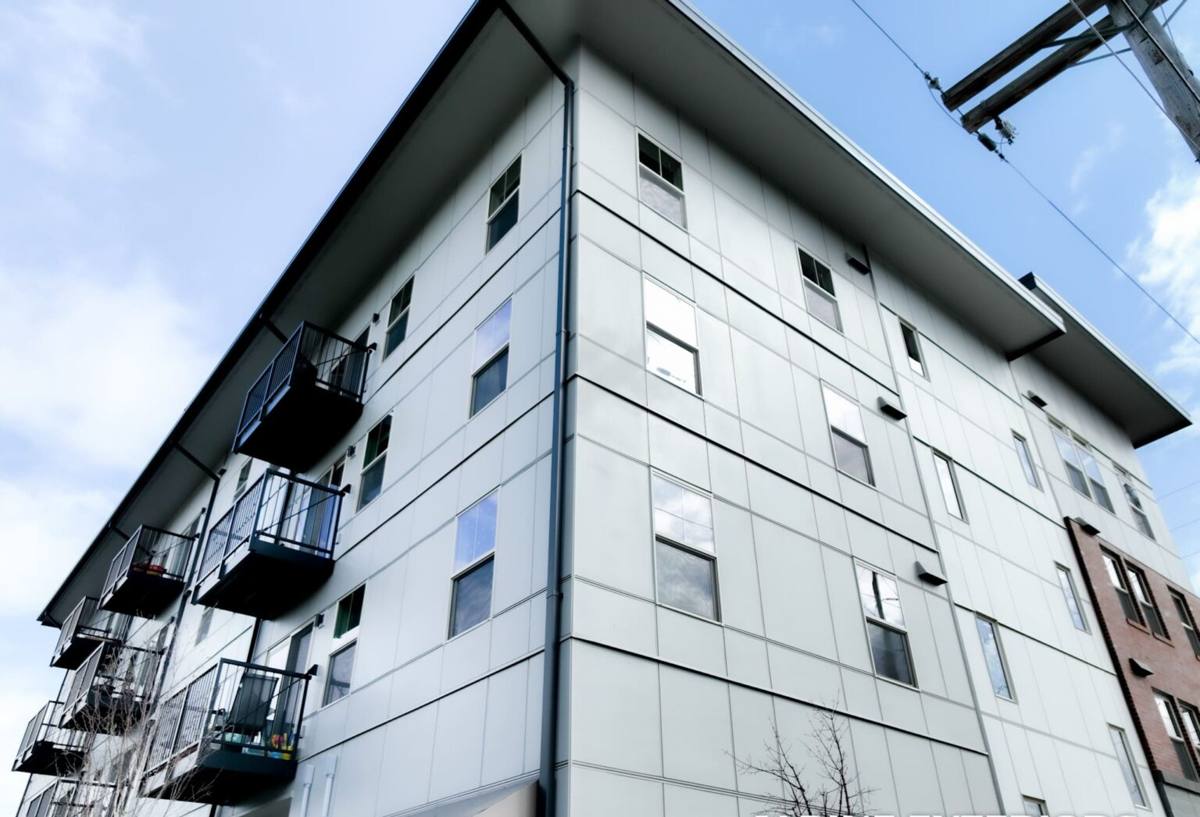
What Local Weather Does to the Wrong Siding
Hurricane-Force Wind
Wind doesn't just rattle siding — it gets underneath panels that aren't fastened correctly and peels them off from the edge in. Every siding product has a wind-load rating, but that rating only means something if the installation follows the fastening pattern the manufacturer engineered for it. A lot of wind failures we see on older homes trace back to shortcuts taken during the original install, not a bad product.
Year-Round UV
Florida sun is relentless, and it's not seasonal. Siding on a south- or west-facing wall in the Zephyrhills area gets more cumulative UV exposure in a year than the same product would in most of the country. Field-applied paint chalks, fades, and eventually cracks under that kind of exposure. Factory-applied finishes are built differently, and it shows over a decade of ownership.
Wind-Driven Rain
Rain that's being pushed horizontally by wind finds gaps that vertical rain never would — around windows, at trim joints, at the bottom edge of siding courses. This is why the water-resistive barrier and flashing details behind the siding matter as much as the siding itself.
Salt Air Drift
Zephyrhills isn't beachfront, but Pasco County as a whole sits close enough to the Gulf that salt-bearing air still reaches inland neighborhoods, especially during onshore wind events. Salt exposure accelerates corrosion on fasteners and metal trim and speeds up the breakdown of some coatings. It's a slower effect than wind or UV, but it adds up over the life of a siding job.
What a Correct Siding Installation Actually Involves
The siding panel itself is maybe half the story. The other half is what's happening behind it, and this is where a lot of installations go wrong — often invisibly, until there's a problem years later.
The Water-Resistive Barrier
Every wall needs a continuous drainage plane behind the siding — a house wrap or equivalent barrier that's lapped correctly (upper courses over lower ones) so any water that gets past the siding runs down and out instead of into the wall assembly. Gaps, tears, or backwards laps defeat the whole system regardless of what siding is on top of it.
Flashing at Every Penetration
Windows, doors, hose bibs, light fixtures, dryer vents — anything that punches through the siding plane needs flashing detailed to shed water outward, not just caulk. Caulk is a maintenance item that fails over time; flashing is a permanent water-management detail. This distinction matters even more in a climate that sees wind-driven rain regularly.
Fastening for Wind Load
Fastener type, spacing, and placement all change depending on the wind exposure category for the home's location and height. Pasco County's wind requirements aren't the same as an inland county further from the peninsula's edge, and a correct installation accounts for that rather than using a generic fastening schedule.
Clearances and Drainage
Siding needs a minimum clearance from grade, roofing, decks, and patios so water and moisture don't wick up into the bottom edge. This is one of the most commonly skipped details on production-built homes, and it's a major cause of bottom-edge rot and swelling on siding of any material.
Why We Install Only James Hardie Fiber Cement
We install one siding system: James Hardie fiber cement, in the HZ product lines engineered for Florida's climate zone. We made that decision because of what we consistently see when comparing it to the alternatives, not because of brand loyalty.
Fiber cement doesn't feed moisture-driven rot the way wood-based products can, and it's non-combustible, which matters in a state where hardening a home against every kind of risk is part of the value proposition. James Hardie's ColorPlus factory finish is baked on and warranted separately from the substrate, which holds up to constant UV exposure far better than field-applied paint that has to be recoated as part of routine maintenance. The HZ10 formulation in particular is engineered for high-humidity, high-moisture regions like ours, with different moisture and durability performance than the standard product sold in drier climates. It also carries a strong, transferable limited warranty, which matters if you sell the home before the siding's functional life is up.
We don't install vinyl, LP SmartSide, Cemplank, Allura, or primed wood siding — not because those products have no merit, but because each comes with a trade-off we're not willing to put our name behind: vinyl's heat distortion and impact limits, engineered wood's dependence on perfect field maintenance to avoid moisture damage, and lesser-known fiber cement brands' inconsistent warranty and support networks. Standardizing on one system lets our crews get genuinely expert at installing it correctly, every time.
Cost Factors for a Zephyrhills Siding Installation
Every home is different, but the same handful of factors drive most of the cost variation we see on jobs in this area.
| Factor | Why It Matters Here |
|---|---|
| Home size and wall complexity | More corners, gables, and dormers mean more cutting, flashing, and labor time |
| Existing wall condition | Rotted sheathing or old moisture damage found during tear-off adds repair scope |
| Siding profile and accessories | Trim boards, soffit, and fascia work add to material and labor beyond the field siding |
| Wind zone requirements | Pasco County's wind exposure requirements affect fastening schedule and sometimes fastener type |
| Access and site conditions | Tight lots, fencing, or landscaping close to the home slow down tear-off and staging |
As a broad range, full siding replacements on single-family homes in this market typically land somewhere in the low five figures to the low twenty-thousands, depending heavily on the factors above. The only way to get a number that means anything is a walk-around estimate specific to your home.
Our Installation Process
- On-site evaluation. We walk the exterior, check current siding and trim condition, and look for signs of existing moisture or wind damage.
- Tear-off and sheathing check. Old siding comes off and we inspect the sheathing underneath before anything new goes up — this is when hidden problems get caught, not after.
- Water-resistive barrier installation. A continuous, correctly lapped drainage plane goes on before any siding.
- Flashing at every penetration. Windows, doors, and utility penetrations get flashed to shed water outward.
- Hardie siding installation. Panels and trim go up following James Hardie's fastening specifications for our wind exposure category.
- Final detailing and cleanup. Caulking at appropriate joints only (not as a substitute for flashing), touch-up painting where needed, and full site cleanup.
Signs Your Siding Needs Replacing
- Visible cracking, buckling, or warping in panels or trim
- Soft spots when pressed, especially near the bottom edge or around windows
- Paint that's chalking heavily or peeling in sheets rather than fading evenly
- Gaps opening up at seams, corners, or trim joints
- Rising energy bills that suggest the wall assembly is no longer performing as insulation
- Visible mold, staining, or musty smells near exterior walls
- Siding that moved, lifted, or came loose during the last significant windstorm
Why a Crew That Already Works Zephyrhills Matters
Wind exposure categories, permitting expectations, and inspection standards vary by jurisdiction, and Pasco County's requirements aren't identical to neighboring counties. A crew that already works the Zephyrhills and Land O'Lakes area knows what local inspectors look for, what wind-load fastening schedule applies, and how the local climate has actually treated siding installed five and ten years ago — not in theory, but from having gone back to look at it. That local track record is worth more than a generic national installer with no history in this specific corner of Pasco County.
If you're weighing a siding replacement on a Zephyrhills-area home, we're happy to take a look and walk you through what your home specifically needs — no pressure, no obligation. Use the form below to request a free estimate.