 Land O'Lakes Siding
 Storm Damage Roof Repair Built for Plantation Palms
Plantation Palms sits inland in Land O'Lakes, but "inland" doesn't mean sheltered. Pasco County still catches the outer wind bands of tropical systems moving up from the Gulf, and the neighborhood's mature tree canopy and mix of roof ages mean storm damage shows up differently from house to house. One home might lose a few shingles off a ridge line, while a neighbor two streets over ends up with a soft spot in the decking from a slow leak nobody noticed for weeks. We work Plantation Palms specifically because storm damage repair only works when the crew understands what the roofs here have already been through.
This page covers what storm damage actually looks like on Plantation Palms roofs, what a correct repair involves, and how our process works from first call to final inspection.
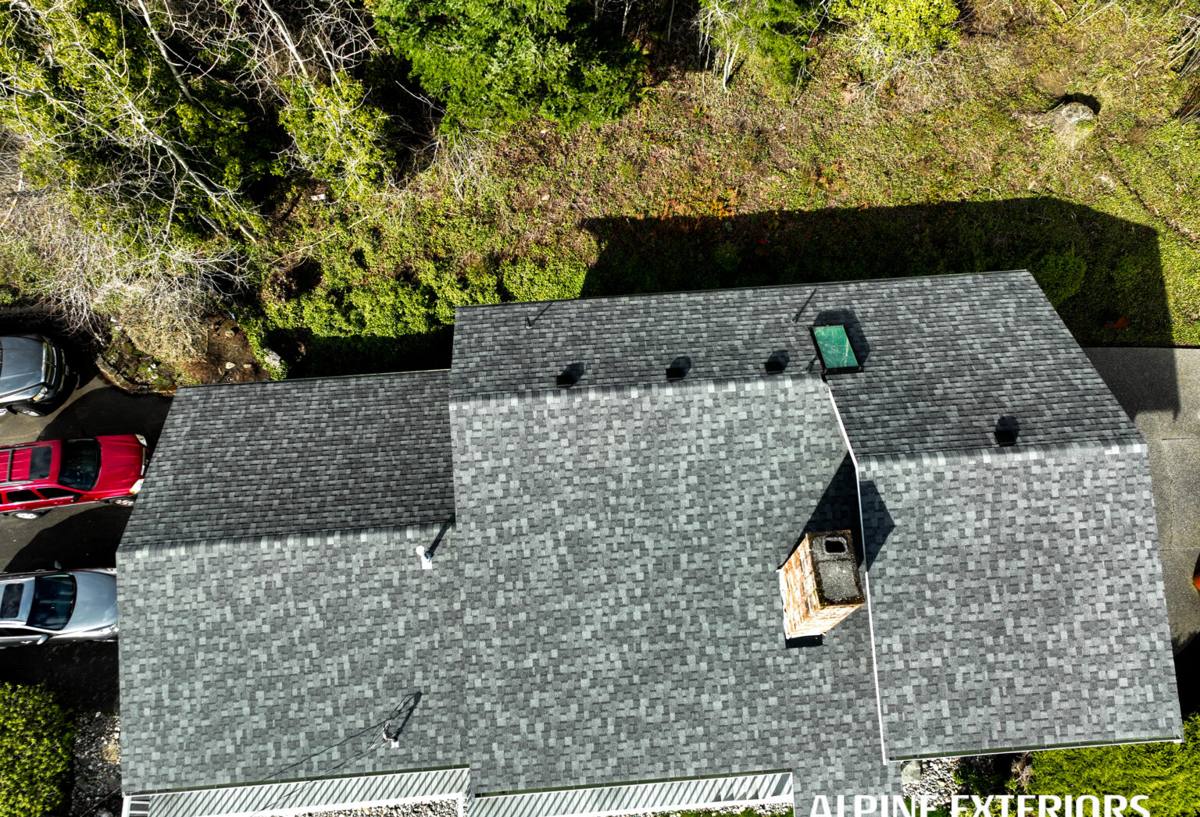
What Hurricane-Force Wind and Wind-Driven Rain Do to a Roof Here
Land O'Lakes doesn't take direct hurricane strikes every year, but it doesn't need to. Tropical storm-force gusts, severe thunderstorm outflow, and the occasional hurricane outer band are enough to cause real damage, and much of it isn't visible from the ground.
Wind Damage
Wind doesn't just rip shingles off in dramatic fashion. More often it works at the edges — lifting shingle tabs along the perimeter and ridge, breaking the sealant bond on tabs that look fine but no longer lie flat, and loosening ridge cap and hip shingles where wind uplift is strongest. Once that seal is broken, the next rain finds a way in even if nothing appears missing.
Wind-Driven Rain
Straight-down rain and sideways rain behave very differently on a roof. Wind-driven rain gets pushed up and under shingle edges, around flashing that's slightly loose, and into any gap that would normally shed water in a calm storm. This is why leaks after a windy storm often show up at valleys, chimney flashing, and skylight edges rather than in the open field of the roof.
Debris Impact
The oak and pine cover common around Plantation Palms is part of what makes the neighborhood attractive, but falling limbs and wind-blown debris cause direct impact damage — cracked or punctured shingles, dented metal flashing, and occasionally damaged decking underneath.
UV Exposure and Salt Air: The Damage You Don't See From a Storm
Central Florida's year-round UV load bakes asphalt shingles from the day they're installed, drying out the asphalt and making them more brittle every summer. A roof that's handled ten Florida summers doesn't respond to wind the same way a five-year-old roof does — the granules have thinned, the mat underneath is stiffer, and tabs crack instead of just lifting.
Land O'Lakes is far enough inland that salt air isn't the dominant factor it is on the coast, but Gulf-origin storms still carry some salt-laden moisture with them, and it adds to the general wear on exposed metal — nail heads, flashing, and vent stacks corrode a little faster here than they would in a landlocked climate. Combine UV brittleness with wind-driven rain and you get the two most common storm-repair calls we see: shingles that cracked under impact instead of just bending, and leaks at flashing points that had already started corroding before the storm hit.
How to Tell If Your Plantation Palms Roof Has Storm Damage
- Missing, cracked, or curled shingles — check ridges and roof edges first, since wind damage concentrates there
- Granules collecting in gutters or at downspout outlets after a storm
- Water stains on interior ceilings, especially near chimneys, skylights, or where roof planes meet
- Soft or spongy spots when walking the attic (a sign water has reached the decking)
- Bent, lifted, or missing flashing around vents, chimneys, and roof-to-wall transitions
- Visible daylight through the roof deck from inside the attic
- Dented or dislodged ridge vents or gable vents
A lot of this is only visible from the roof itself or from inside the attic, which is why a physical inspection matters more than a driveway glance after a storm.
What a Correct Storm Damage Repair Actually Involves
Storm repair done right isn't just replacing what's obviously missing. It's tracing the damage back to its actual extent, because wind and water damage is rarely confined to the spot where it's most visible.
1. Full Roof and Attic Inspection
We inspect the whole roof, not just the area the homeowner points to, because wind damage from the same storm often shows up in more than one location. We also check the attic for water intrusion that hasn't reached the ceiling yet — catching it here prevents a second repair call later.
2. Decking Assessment
If water reached the decking, the plywood underneath the shingles needs to be checked for soft spots, delamination, or rot. Replacing shingles over damaged decking just hides the problem and shortens the life of the new roofing.
3. Matching Repair to Damage Type
Isolated shingle damage gets a targeted shingle repair. Flashing damage gets the flashing replaced and properly re-sealed, not just caulked over. Widespread wind damage across a slope may call for replacing that entire section rather than patching individual shingles, both for a cleaner look and because patched shingles rarely seal down as well as a full section replacement.
4. Proper Fastening and Sealing
Every replacement shingle gets nailed to the same wind-resistance standard as new construction, and every flashing point gets sealed to actually shed water rather than just look sealed. This is the step that gets rushed on quick storm-chaser repairs and is exactly where the next leak starts.
5. Documentation for Insurance
We document the damage with photos and a written scope of repair, which homeowners need whether they're filing an insurance claim or just keeping records for their own file.
Repair vs. Replacement: How We Help You Decide
Not every storm-damaged roof needs full replacement, and not every roof is worth repairing indefinitely. The decision usually comes down to the roof's age, how much of it is affected, and whether the underlying decking is still sound.
| Factor | Leans Toward Repair | Leans Toward Replacement |
|---|---|---|
| Roof age | Under 12-15 years | Approaching or past expected shingle lifespan |
| Extent of damage | Isolated to one area or slope | Spread across multiple slopes |
| Decking condition | Solid, no rot or soft spots | Soft spots or rot found in multiple areas |
| Shingle condition elsewhere | Rest of roof still flat, granules intact | Widespread curling, granule loss, brittleness |
| Storm history | First significant damage event | Repeated repairs after multiple storms |
We'll give you an honest read on which side of that table your roof falls on — we don't have any incentive to push a full replacement when a repair will genuinely hold up, and we'll tell you plainly if a repair is just delaying the inevitable.
Cost Factors for Storm Damage Roof Repair
Every roof is different, so we won't quote a number without seeing it, but the main factors that move the price are consistent:
- Size of the affected area — a few shingles versus a full slope
- Decking replacement needed — plywood replacement adds material and labor beyond the shingle work itself
- Roof pitch and accessibility — steeper or harder-to-reach roofs take more time and safety setup
- Shingle matching — matching existing shingle color and style when the roof isn't being fully replaced
- Flashing and ventilation components — chimney flashing, pipe boots, and ridge vents priced separately from shingle work
Broadly, isolated shingle and flashing repairs after a storm tend to run in the low-to-mid hundreds of dollars, while larger sections involving decking replacement climb into the low thousands. We'll walk you through exactly what's driving your number before any work starts.
Why Hiring a Crew That Already Works Plantation Palms Matters
After any significant storm, Land O'Lakes sees an influx of traveling repair crews going door to door. Some do fine work. But a crew with no ongoing presence in the area has no reason to stand behind the repair a year later, and no track record with the roof types and building patterns common in Plantation Palms specifically.
We're a local Pasco County contractor. We're still here after the storm crews leave, which matters if a repair needs a follow-up adjustment or if a warranty claim comes up down the road. We also know what to look for on the roof styles and ages typical to this neighborhood, which shortens the inspection and sharpens the diagnosis.
Our Storm Damage Repair Process
- Contact and scheduling — reach out and we'll schedule an inspection promptly, especially in the days following a storm
- Full inspection — roof surface, flashing, and attic, documented with photos
- Written scope and estimate — a clear explanation of what's damaged, what needs repair, and why
- Insurance documentation support — if you're filing a claim, we provide the documentation your adjuster will need
- Repair work — matched materials, proper fastening, and sealing done to current wind-resistance standards
- Final walkthrough — we review the completed repair with you before calling the job done
Get a Free, No-Pressure Estimate
If a recent storm left you with missing shingles, a new leak, or just a nagging feeling that something on your roof isn't right, it's worth having it looked at before the next round of Florida weather finds the weak point for you. Fill out the form below and we'll schedule a straightforward inspection of your Plantation Palms home — no pressure, no obligation, just an honest look at what's going on and what it would take to fix it.