 Land O'Lakes Siding
 Suncoast Meadows Sits Right in the Middle of Florida's Toughest Siding Climate
Homes in Suncoast Meadows face a combination of stresses that most siding products were never designed to handle all at once. Pasco County sees hurricane-force wind gusts during tropical systems, punishing year-round UV that fades and chalks weaker materials, wind-driven rain that gets forced sideways into every seam and joint, and a steady dose of salt-laden Gulf air that accelerates corrosion on fasteners and trim. Individually, any one of these would shorten the life of a lesser siding product. Together, they explain why so many Land O'Lakes homes need a full siding replacement well before the original installer probably told the owner to expect.
This page is specifically about fiber cement siding for Suncoast Meadows — what the climate demands, what a correct installation actually involves, and why the crew doing the work matters as much as the product itself.
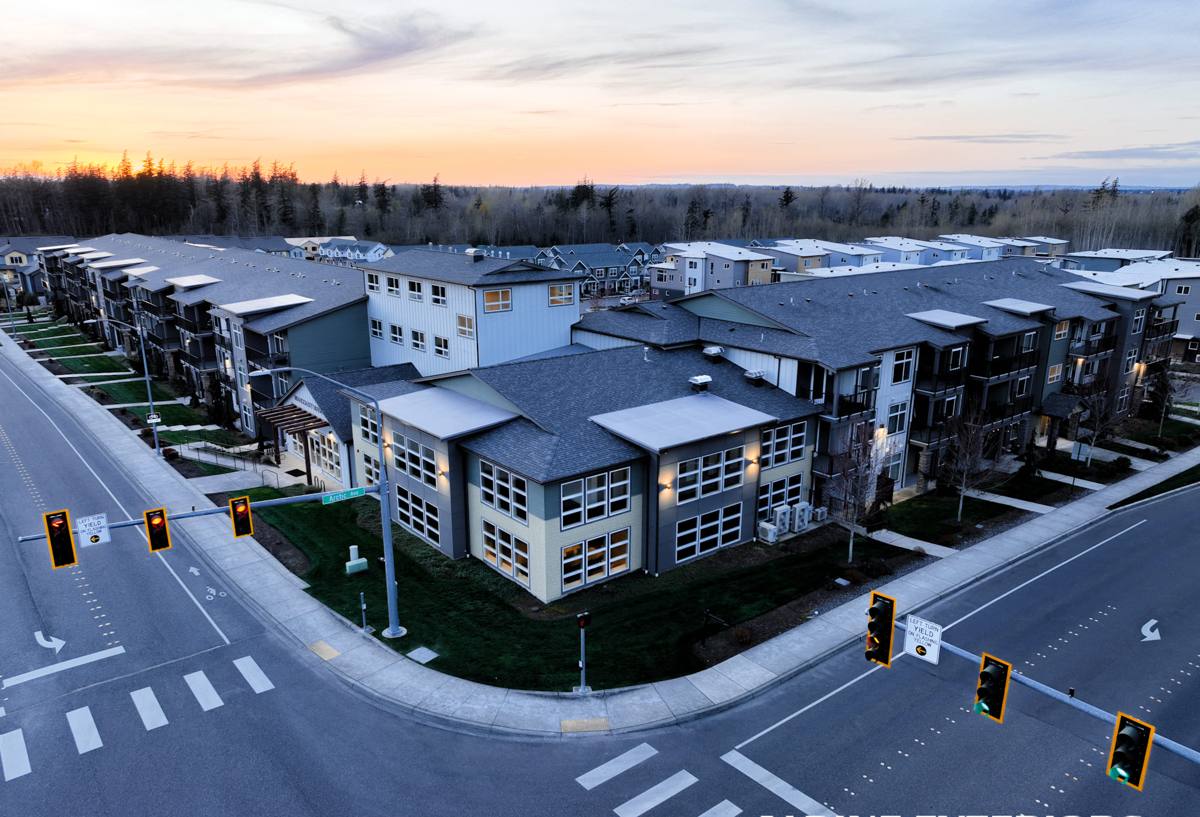
Why Fiber Cement Is the Right Material for This Neighborhood
Fiber cement is a mix of cement, sand, and cellulose fibers, engineered to be dimensionally stable and non-combustible. Unlike vinyl, it doesn't soften, warp, or blow off the wall in high wind — and unlike wood-based products, it doesn't absorb water and swell at the edges. For a neighborhood exposed to both hurricane winds and constant humidity, those two properties matter more than almost anything else on the spec sheet.
What Matters Most in Suncoast Meadows Specifically
- Wind resistance — siding needs to stay fastened and flat during tropical-storm and hurricane wind events, not just look good on a calm day.
- Moisture rejection — wind-driven rain finds every gap; the material and the flashing behind it both need to shed water, not hold it.
- UV and color stability — south and west-facing walls take a beating from Florida sun nearly every day of the year.
- Corrosion resistance at fasteners, trim, and hardware — salt air speeds up rust on anything that isn't rated for a coastal-influenced climate.
Why We Install James Hardie and Nothing Else
We standardized on James Hardie fiber cement products exclusively. Not because other fiber cement brands are unusable, but because Hardie is the only manufacturer we've found that backs its product with climate-specific engineering, a factory-applied finish system, and a warranty structure we're comfortable putting our name behind. Building the same job with a different brand every few months means relearning trim details, fastening specs, and warranty paperwork each time — and it means we can't speak with full confidence about how a given product will hold up in this exact climate ten or fifteen years out. Standardizing on one system lets our crews get genuinely fast and precise at doing it right, every time, on every Suncoast Meadows roofline and wall detail they run into.
The Product Line That Actually Fits This Climate
James Hardie engineers its siding to different climate zones through what it calls the HardieZone system. Land O'Lakes and the rest of the Tampa Bay region fall into the HZ10 zone — built for hot, humid, storm-prone climates rather than the colder, drier HZ5 zone used farther north. HZ10 products use engineering and moisture-management guidance suited to exactly the conditions Suncoast Meadows deals with: high humidity, heavy seasonal rainfall, and intense sun exposure.
ColorPlus Factory Finish
Most Hardie siding on our jobs goes on with the ColorPlus finish — a baked-on, factory-applied coating that resists fading far better than field-applied paint. On a home exposed to Florida sun nearly every day, that finish is doing real work; it's also backed by its own finish warranty separate from the substrate warranty, which matters if fading or peeling shows up years down the road.
Common Profiles We Install Locally
Lap siding (HardiePlank) remains the most common choice for Suncoast Meadows homes, typically in a smooth or cedarmill texture. Trim, soffit, and accent panel products round out most jobs so the whole exterior — not just the field siding — is on one warrantied system rather than mixing brands at the corners and eaves.
What a Correct Installation Actually Involves
Fiber cement is only as good as the installation behind it. Most of the siding failures we get called out to inspect in this area aren't product failures — they're installation shortcuts that let water or wind in behind a wall that looked fine from the curb.
The Details That Matter Most Here
- Correct fastener pattern and embedment — under-driven or over-driven nails are one of the most common causes of early failure in high-wind areas.
- Proper clearances at grade, roofline, and any horizontal trim — Hardie specifies minimum gaps for a reason, and skipping them traps moisture against the board.
- Flashing and house-wrap integration at every window, door, and penetration — this is where wind-driven rain actually gets in, not through the field of the siding itself.
- Correctly caulked and painted (or factory-finished) cut edges — an exposed raw edge is a moisture entry point waiting to happen.
- Butt joints and seams planned to shed water downward, not collect it.
Our Process for Suncoast Meadows Projects
Because we already work regularly in this part of Land O'Lakes, our process is dialed in for the housing stock and conditions here rather than generic.
1. On-Site Assessment
We walk the exterior, check the existing siding and sheathing condition, look at trim and window details, and note any storm or moisture damage already present before proposing a scope.
2. Prep and Moisture Barrier Check
Old siding comes off, sheathing is inspected for hidden rot, and the water-resistive barrier is repaired or replaced as needed — this step gets skipped by corner-cutting crews and it's the single biggest predictor of how the job ages.
3. Installation to Hardie's HZ10 Specifications
Fastening, clearances, and flashing follow the manufacturer's published details for this climate zone, not a generic national spec.
4. Trim, Caulking, and Final Finish
All cut edges are sealed, seams are finished per spec, and any field-painted elements are done with products rated for Florida sun exposure.
5. Walkthrough and Warranty Paperwork
We review the finished work with the homeowner and make sure the transferable warranty is registered correctly — a step that's easy to lose track of but matters if the home is ever sold.
How Fiber Cement Compares to Other Siding Options
| Material | Wind/Storm Performance | UV & Color Stability | Moisture/Rot Risk |
|---|---|---|---|
| James Hardie Fiber Cement | Engineered for high-wind fastening patterns | Factory ColorPlus finish resists fading | Non-combustible, does not swell or rot |
| Vinyl | Can crack, deform, or blow off in high gusts | Prone to fading and chalking over time | Low rot risk but can trap moisture behind it |
| Wood or Wood-Composite (e.g. LP SmartSide) | Adequate when properly fastened | Requires ongoing field-applied finish maintenance | Higher moisture sensitivity at cut edges and seams |
What Actually Drives Cost on a Job Like This
We don't quote pricing sight-unseen, but these are the real factors that move a Suncoast Meadows fiber cement job up or down in cost:
| Cost Factor | Why It Matters |
|---|---|
| Home size and number of stories | More wall area and higher access both add labor time |
| Condition of existing sheathing | Hidden rot or moisture damage found during tear-off adds repair scope |
| Amount of trim, soffit, and accent detail | Complex rooflines and architectural detail take more time per square foot |
| Siding profile and finish selected | Different HardiePlank profiles and ColorPlus colors carry different material costs |
| Old material removal and disposal | Vinyl and wood tear-off adds labor and haul-away cost |
Maintaining Fiber Cement Siding in This Climate
Fiber cement is low-maintenance, not no-maintenance. A little seasonal attention goes a long way toward getting the full lifespan out of the investment.
- Rinse the exterior periodically to clear salt residue, pollen, and grime buildup common in this region.
- Inspect caulking at trim, windows, and joints once a year and re-seal anything that's cracked or pulled away.
- After any significant storm, walk the exterior and check for impact damage, loose boards, or lifted trim.
- Keep irrigation heads and sprinklers from constantly wetting the same section of wall.
- Trim back landscaping so foliage isn't holding moisture against the siding.
- Touch up any field-painted trim before it starts to visibly fade or chalk.
Why Hiring a Crew That Already Works in Suncoast Meadows Matters
A siding job here isn't the same as one thirty miles inland. A crew that regularly works this part of Pasco County already understands the wind-load expectations local inspectors look for, the permitting process for this jurisdiction, and the moisture-management details that matter most given the Gulf-influenced humidity. If your community has HOA architectural guidelines for exterior color or material changes, a contractor familiar with the area is also more likely to know what to expect during that review, rather than learning it for the first time on your project. Local experience shows up less in the sales pitch and more in the details — the flashing behind a window, the fastener spacing at a corner board, the clearance left at grade — the parts of the job you can't see once it's finished but that determine how it holds up.
If you're weighing a siding replacement or repair for your Suncoast Meadows home, we're glad to take a look and talk through what's actually going on with your exterior — no pressure, no obligation. Use the form below to request a free estimate.