 Land O'Lakes Siding
 Why Dade City Decks Wear Out Faster Than the Brochure Says
Dade City sits inland from the coast, but that doesn't spare it from the same forces that chew through outdoor structures across Pasco County. Hurricane-force winds during storm season put real racking stress on deck framing and railings. Between storms, the sun is doing its own damage — Florida's year-round UV exposure breaks down wood fibers, dries out sealants, and fades composite decking faster than most manufacturers' warranty language suggests. Add wind-driven rain that finds its way into every unsealed seam and fastener hole, and you have a climate that's genuinely hard on decks, even well-built ones.
We see the pattern a lot in Dade City: a deck that looked fine five or six years ago now has soft spots, rust streaks around fasteners, or railings that flex more than they should. None of that means the homeowner did anything wrong. It means Florida decks need a repair approach built around this climate, not a generic checklist copied from a cooler, drier part of the country.
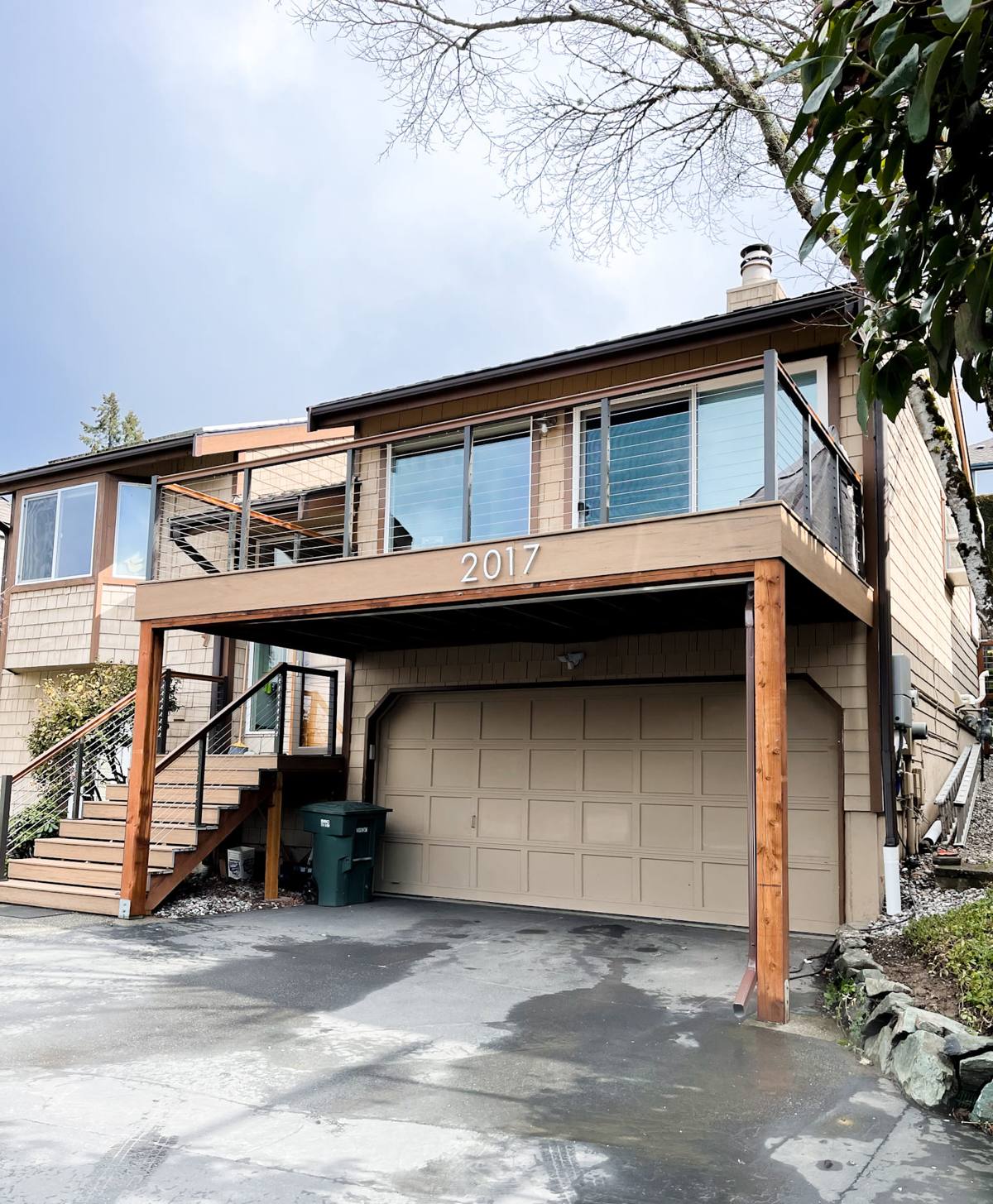
The Deck Problems We Find Most Often in This Area
Every deck is different, but in Dade City and the surrounding Land O'Lakes area, the same handful of issues show up again and again:
- Ledger board rot where the deck attaches to the house — usually from trapped moisture behind poorly flashed connections
- Corroded fasteners — screws and nails that rust and weaken from humidity and salt-tinged air moving inland
- Joist and beam softening from water pooling underneath the deck, especially on older builds without proper drainage gaps
- Loose or wobbly railings and stair stringers, often a sign of a structural connection that's already failed, not just cosmetic wear
- Cupped, splintering, or checked decking boards from repeated UV exposure and moisture cycling — wet, then bone-dry, over and over
Some of these are surface-level. Others are structural and shouldn't wait. Part of our job on every inspection is telling the difference honestly, not treating every visit as an opportunity to sell a full rebuild.
Repair or Replace? How We Actually Decide
Homeowners often assume a deck with problems needs to be torn out entirely. That's sometimes true, but not nearly as often as people expect. The framing underneath — the posts, beams, and joists — is usually in better shape than the decking surface on top, because it's shielded from direct sun even if it's not shielded from moisture. We evaluate a few key factors before recommending either path:
| Factor | Leans Toward Repair | Leans Toward Replacement |
|---|---|---|
| Structural framing (posts, beams, joists) | Solid, minor surface wear only | Soft spots, visible rot, or movement under load |
| Ledger board connection to house | Properly flashed, dry, secure | Water staining, rot, or missing flashing |
| Decking boards | Isolated cupping or a few damaged boards | Widespread splintering, soft boards across most of the surface |
| Age of original build | Under 10-12 years with decent maintenance history | Older build with no documented maintenance or repairs |
| Code compliance (railings, stair rise/run, footings) | Meets current requirements | Outdated spacing, undersized footings, or non-compliant railings |
A repair that only addresses the visible problem while ignoring a compromised ledger board or undersized footing isn't really a repair — it's a delay. We check the whole system before we quote anything.
Cost Factors Worth Understanding Upfront
We don't publish flat prices because every deck is different, but the biggest cost drivers are consistent: how much of the substructure needs replacement versus the surface decking, whether the ledger connection needs to be rebuilt to current flashing standards, the material chosen for new boards, and how much of the railing and stair system is affected. A repair limited to a few boards and fasteners is a modest job. A repair that uncovers ledger rot or failed footings costs more because it's addressing the part of the deck that actually holds everything up.
What a Correct Deck Repair Actually Involves
A repair done right isn't just swapping out the boards that look bad. It starts with getting underneath the deck to check the framing, fasteners, and — critically — the ledger board connection to the house, since that's the single most common point of hidden rot on Florida decks. From there, a proper repair includes:
- Removing and inspecting decking in the affected area to assess joists and beams underneath, not just the surface
- Replacing any rotted or compromised framing members before reattaching new decking
- Re-flashing the ledger board connection where water intrusion is found, so the fix addresses the cause, not just the symptom
- Using corrosion-resistant fasteners rated for exterior and coastal-influenced environments
- Checking railing posts and stair stringers for the same rot and fastener issues, since they take direct wind load during storms
- Confirming the repaired sections meet current spacing and structural requirements, even if the original build predates them
Skipping any of these steps is how homeowners end up paying for the same repair twice within a few years.
Our Deck Repair Process for Dade City Homes
1. On-Site Inspection
We walk the full deck, get underneath it where access allows, and check the ledger connection, framing, fasteners, and railing attachments. We tell you what we find in plain terms — what's cosmetic, what's structural, and what can reasonably wait.
2. A Clear, Written Scope
You get a straightforward explanation of what needs to happen and why, broken down so you can see what's driving the cost. No pressure to upgrade to a full rebuild if a targeted repair genuinely solves the problem.
3. The Repair Work
We address the structural issues first — framing, ledger, footings — before touching the visible decking surface. Cosmetic repair without a sound structure underneath isn't a repair we're willing to put our name on.
4. Final Check and Walkthrough
Before we consider the job done, we check that railings are secure, stairs are solid, and the deck is ready for actual use — not just presentable.
Materials We Use, and Why
Pressure-treated wood, cedar, and composite decking are all reasonable choices, and each comes with real trade-offs rather than a clear winner. Pressure-treated wood is the most affordable and easiest to repair in sections, but it needs regular sealing to hold up against Pasco County's UV and rain cycles — skip that maintenance and it will show it. Composite decking resists rot and doesn't need staining, but it costs more upfront, can run hot underfoot in direct summer sun, and isn't always a simple match-and-patch repair if a board is discontinued down the line. Cedar has a nicer natural look but is softer and needs consistent upkeep in this climate.
Our standard is to repair with materials that match the performance of what's already there whenever possible, and to walk you through the honest maintenance expectations of each option rather than oversell one as maintenance-free. None of them are.
Signs Your Dade City Deck Needs Attention Now
Some deck problems are easy to put off because they don't look urgent. A few are worth addressing before the next storm season rather than after:
- Boards that feel spongy, springy, or soft when you walk across them
- Visible gaps, cracks, or staining where the deck meets the house
- Railings that wobble or shift when you lean on them
- Rust streaks running down from screw or nail heads
- Stair stringers that flex or feel uneven underfoot
- Standing water or damp soil directly under the deck after rain
- Any visible daylight or separation at joist connections
Any one of these on its own might be minor. Several together usually mean the structure needs a real look, not just a cosmetic patch.
Why Hiring a Crew That Already Works Dade City Matters
A deck repair contractor who regularly works in this part of Pasco County already knows how local building patterns, soil drainage, and construction age tend to show up in deck problems here. That's not a small thing — it means less time spent diagnosing and more time spent actually fixing the right issue the first time. It also means we're accustomed to doing structural work that holds up against the wind loads this region sees during hurricane season, not just repairs that look fine until the next major storm tests them.
We're not interested in a one-time patch that brings us back next year. A deck repair should hold up through Florida's storms, sun, and humidity for years, and that's the standard we hold ourselves to on every job in Dade City and throughout the Land O'Lakes area.
After the Repair: Keeping Your Deck Solid
A good repair buys you time, but a little maintenance stretches that time considerably in this climate. Reseal or restain wood decking on the schedule appropriate to the product — usually every one to two years in Florida's sun. Keep the area underneath the deck clear of standing water and debris so moisture doesn't get trapped against framing. Check railings and stair connections once or twice a year, especially after storm season, since loose fasteners are far cheaper to tighten than to replace after they fail.
If your deck has soft spots, wobbly railings, or you just want an honest opinion on what shape it's really in, we're happy to take a look. Use the form below to request a free, no-pressure estimate — we'll tell you what we find and what it would actually take to fix it right.