 Land O'Lakes Siding
 Building a Deck That Holds Up in Zephyrhills' Climate
A custom deck in Zephyrhills has to earn its keep against Central Florida weather almost every day of the year. Between long stretches of intense UV, sudden afternoon downpours, the humidity that never really leaves Pasco County, and the occasional run-in with hurricane-force wind, a deck built to a generic spec sheet doesn't age well here. It cups, it loosens, fasteners bleed rust streaks, and within a few seasons a project that looked great on install day starts looking tired.
None of that is inevitable. It comes down to material selection, fastening details, and structural choices that are appropriate for this climate specifically, not just "a deck" built the same way it would be in a dry, mild region. That's the difference we build into every custom deck we put up for homeowners in and around Zephyrhills.
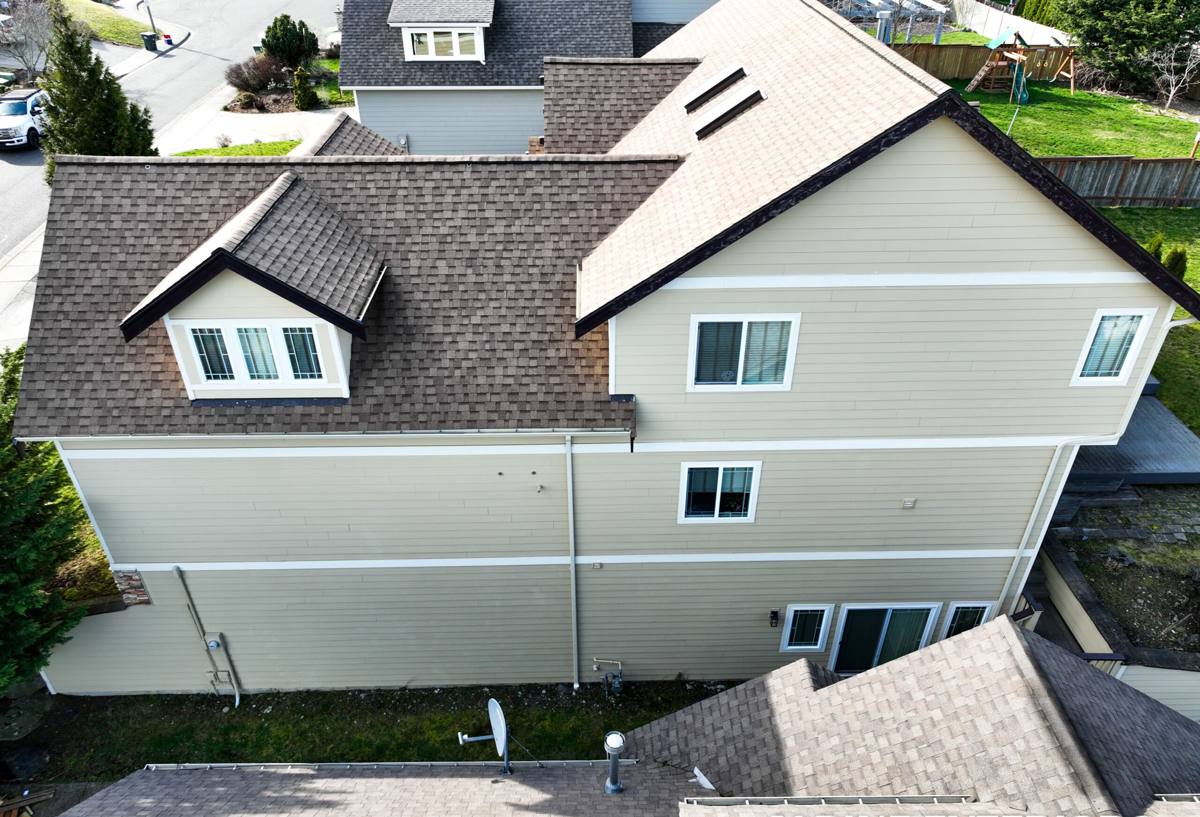
What Local Homes Actually Need From a Deck
Every region has its own combination of stresses on outdoor structures. For Zephyrhills and the surrounding Land O'Lakes area, the ones that matter most are:
Sun and UV Exposure
Florida sun is harder on exposed materials than most homeowners expect. Wood surfaces gray and check faster, some composite boards fade unevenly if they're lower-grade, and any finish or sealant on a wood deck has a shorter effective life than the can label suggests. Material choice and finish schedule both need to account for that.
Humidity and Wind-Driven Rain
Pasco County doesn't have a dry season the way some climates do. Ground contact points, joist tops, and anywhere water can sit against wood are where rot starts first. Afternoon storms that come in sideways also push moisture into spots a vertical rain never would, which is why flashing and drainage details at the house connection point matter as much as the decking itself.
Wind Loads
Florida's building code treats decks as structures that have to resist uplift and lateral wind forces, not just hold up a person's weight standing still. That shows up in how ledger boards are attached, how posts are anchored to footings, and what hardware is used at connection points.
Termite and Wood-Boring Pest Pressure
Central Florida has year-round termite activity, and a deck built directly against the house or with untreated wood in ground contact gives them an easy path. This is one of the biggest arguments for careful material and detailing choices near the ledger and any post that touches soil.
Decking Material Options for This Area
There's no single "best" decking material — there's a best material for a given budget, maintenance appetite, and how the deck will actually be used. Here's how the common options stack up under Pasco County conditions:
| Material | Upfront Cost | Maintenance | How It Handles Local Climate |
|---|---|---|---|
| Pressure-treated wood | Lowest | Annual cleaning and re-sealing recommended | Prone to graying, checking, and splintering under sun/humidity if not maintained |
| Cedar or other naturally rot-resistant wood | Moderate | Regular sealing to hold color and resist moisture | Better rot resistance than PT pine but still needs upkeep in year-round humidity |
| Capped composite | Higher | Occasional soap-and-water washing | Resists fading, moisture, and rot well; performs consistently in intense UV |
| PVC decking | Highest | Minimal — washing only | Fully moisture-immune, holds color well, no wood-based rot or termite concern |
Our standard is to walk homeowners through these trade-offs honestly rather than pushing whatever has the best margin. A lower-maintenance material costs more up front but saves real time and money over the life of the deck in a climate that's this hard on wood.
Design Choices That Affect Long-Term Performance
A deck is more than just boards and framing, and a few design decisions made early have a real effect on how well it holds up and how much it gets used.
Railing Materials
Railings take direct sun and rain exposure on every face, so the same material logic that applies to decking applies here. Wood railings need the same sealing discipline as wood decking. Aluminum and composite railing systems hold up with less attention and don't develop the splinters or loose balusters that untreated wood can over time in this climate.
Elevated vs. Ground-Level Decks
An elevated deck has more structural considerations underneath it — footings, beam sizing, and stair construction all become more involved than a low, ground-level platform. Elevated decks also need attention to under-deck drainage so the space below doesn't stay damp and become an entry point for pests.
Shade and Cover Options
Given how much direct sun this area gets through most of the year, some homeowners add a pergola, shade sail, or partial roof over at least part of the deck. This isn't just a comfort choice — it also reduces UV exposure on the decking material itself, which can extend its appearance and service life.
Sizing for How the Space Will Be Used
A deck sized only for a small table and a couple of chairs limits what the space can become later. We talk through how a household actually plans to use the space — entertaining, grilling, a pool-adjacent lounging area — before finalizing dimensions, since resizing later means redoing the whole structure.
Structural Details That Matter More Here Than People Think
Ledger Attachment and Flashing
Where the deck ties into the house is the single most important connection on the whole structure, both for wind resistance and for keeping water out of the house's framing. Proper flashing at this joint prevents the slow, hidden rot that shows up years later as a soft spot near a sliding door or a stained soffit.
Footings and Post Bases
Footing depth and post-to-footing hardware need to account for both the load of the deck and Florida's wind uplift requirements. A footing that's adequate for a mild climate isn't automatically adequate here.
Fasteners and Hardware
Fastener corrosion is a real issue in Florida's humidity, even away from the immediate coast. We use fasteners and structural connectors rated for the exposure they'll see, rather than whatever's cheapest at the box store — a rusted fastener at a structural connection is a much bigger problem than a cosmetic one.
Joist Spacing and Board Direction
Board spacing has to allow for both wood movement and drainage. Decking installed too tight traps water between boards; too loose and boards feel unstable underfoot, and gaps widen further as material weathers.
Our Process for a Zephyrhills Deck Project
- Site visit and assessment — we look at drainage, sun exposure, the house's existing structure at the attachment point, and how the space will actually be used.
- Design and material selection — sizing, layout, railing style, and material are worked out together, with honest trade-offs explained at each decision point.
- Permitting — we handle the permit application and county inspection scheduling so the project meets code without the homeowner having to chase paperwork.
- Build — footings, framing, decking, and railing installed in sequence, with structural connections inspected before decking goes down and covers them up.
- Final walkthrough — we go over the finished deck together, including what maintenance it will need and when.
Permits and Local Requirements
Most custom deck projects in Pasco County require a building permit, and elevated decks typically need an inspection of the framing before the decking boards are installed. Requirements can vary depending on deck height, size, and whether it attaches to the house, so we confirm the specifics for each property rather than assuming one standard answer covers every job. If a property is in an HOA, we also factor in any design review that community may require before work starts.
Keeping a Zephyrhills Deck Looking Good for the Long Run
Even the best-built deck needs some basic upkeep in this climate. A simple seasonal routine goes a long way:
- Sweep off leaves, pollen, and debris regularly so moisture doesn't sit trapped against the surface
- Rinse the deck periodically to clear pollen film and prevent mildew buildup in humid stretches
- Check railing connections and fasteners once or twice a year for looseness or corrosion
- Re-seal or re-stain wood decking on the schedule appropriate for that specific product — don't wait until it looks obviously weathered
- Keep gutters and downspouts near the deck clear so runoff isn't dumping extra water onto or under the structure
- Trim back vegetation that's shading the deck constantly or holding moisture against it
Why a Crew That Already Works Zephyrhills Matters
A deck built by a crew that only occasionally works in Central Florida tends to make Central-Florida-shaped mistakes — under-sizing footings for wind loads, skipping flashing details that don't matter in drier climates, or specifying a wood care schedule that assumes a milder, less humid environment. Working regularly in Zephyrhills and the greater Land O'Lakes area means we're not guessing at how this climate treats a deck over time — we're already seeing it on the decks we've built and maintained nearby, and we bring that directly into how we frame, fasten, and finish the next one.
It also means straightforward answers on permitting and inspection timing, because we're not learning Pasco County's process from scratch on your project.
If you're weighing a custom deck for a home in Zephyrhills, we're glad to walk the property, talk through material and design options honestly, and put together a clear estimate — no pressure, no hard sell. Use the form below to request a free estimate and we'll get back to you to schedule a time.