 Land O'Lakes Siding
 Board & Batten in Del Webb Bexley: A Look Built for Florida Living
Del Webb Bexley's homes lean into clean, modern Florida design, and board and batten siding is one of the details that shows up again and again — as a full elevation, a gable accent, or a feature wall on a front porch. It fits the community's contemporary Craftsman styling well. But board and batten is also one of the least forgiving siding profiles to get wrong. The vertical panels and raised battens create more seams, more fastener penetrations, and more edges than a standard horizontal lap job, and in Pasco County's climate every one of those seams is a potential weak point if it isn't detailed correctly the first time.
This page covers what board and batten siding needs to hold up in Land O'Lakes, what a correct installation actually involves, and how our process is built around the realities of working in an established, HOA-governed community like Del Webb Bexley.
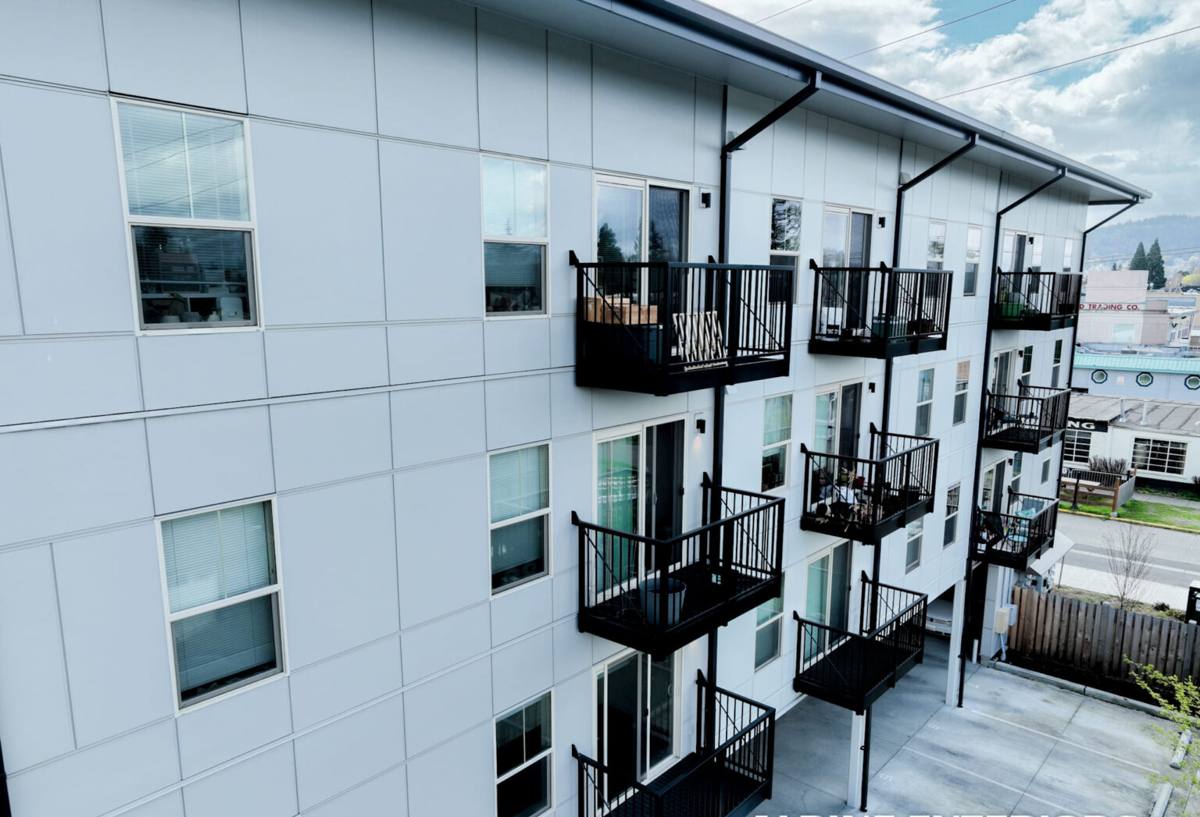
What Land O'Lakes Weather Does to Vertical Siding
Inland Pasco County doesn't get hit with surf and sand, but it isn't spared the weather that comes off the Gulf either. Board and batten siding here has to stand up to several things at once, year after year.
Hurricane-force wind
Wind doesn't just push against a wall — it gets under loose panels and pries them off. Board and batten's vertical orientation and the batten strips themselves create more edges for wind to catch than a lapped horizontal profile. Fastening pattern and panel engineering matter more here than on almost any other siding style.
Intense, near-constant UV
Central Florida sun is relentless most of the year. Paint film breaks down, caulk dries out and cracks, and wood-based or vinyl products fade or chalk faster than they would in a milder climate. Every seam and batten joint on a board and batten wall is a place where sun-damaged sealant can eventually let water in.
Wind-driven rain and salt-tinged air
Summer storms in this part of Pasco County don't fall straight down — wind pushes rain sideways into walls, and it finds any gap in flashing or caulk. Land O'Lakes also sits close enough to Tampa Bay and the Gulf that homes pick up some salt-laden air during storm season, which speeds up corrosion on unprotected fasteners and trim. None of this is unique to board and batten, but the extra seams in this profile mean there's simply more surface area where a mistake can turn into a leak.
Why We Install Board & Batten Only in James Hardie Fiber Cement
We don't offer board and batten in vinyl or LP SmartSide. That's a deliberate standard, not a lack of options.
Vinyl board and batten is a thin, hollow-back panel fastened loosely to allow for expansion and contraction. In a wind zone like ours, that same looseness that lets vinyl handle heat expansion is what lets it flex, rattle, and eventually pull loose in sustained gusts. It also softens and can warp in direct summer sun, and once a panel is damaged, matching the color years later is a gamble.
LP SmartSide is an engineered wood product — wood strand and resin, not fiber cement. It performs reasonably well when it stays sealed, but board and batten multiplies the number of cut edges and seams, and any wood-based product is only as good as the caulk and paint film protecting those raw edges. In a climate with this much UV and wind-driven rain, that's a maintenance burden we don't think is worth handing a homeowner.
James Hardie fiber cement doesn't have either problem. It's non-combustible, it doesn't swell or rot when water reaches an edge, and it's engineered for high-humidity, high-wind climates in Hardie's HZ10 product line — built for exactly the weather Florida throws at a house. The factory-applied ColorPlus finish is baked on before the panel ever reaches the jobsite, so color holds evenly across every batten and panel face, with no field-painted seams fading at a different rate than the rest of the wall.
What a Correct Board & Batten Installation Involves
Board and batten can be built two ways: true individual boards with a batten strip covering each seam, or a single vertical panel (HardiePanel vertical siding) with battens applied over it to create the same reveal with fewer raw seams. Either way, these details are non-negotiable in this climate:
- A weather-resistive barrier behind every panel, lapped correctly top to bottom so water sheds outward, not into the wall assembly
- Furring strips or a rainscreen gap where the substrate calls for it, so any moisture that gets past a seam has somewhere to drain and dry instead of sitting against the sheathing
- Fastener spacing and type matched to Hardie's published wind-zone requirements for the local permit, not a generic pattern
- Flashing at every window head, roofline intersection, and horizontal trim break — the places board and batten is most likely to leak if it's rushed
- Correct expansion gaps at panel and batten joints, sealed with a paint-grade sealant rated for exterior movement, not just caulked and hoped for
- Battens fastened into structural framing or properly blocked substrate, never just into the face panel
Skipping any one of these doesn't usually show up right away. It shows up two or three years later as a soft spot, a stain below a batten joint, or paint failing in one section of wall faster than the rest.
Our Process for Del Webb Bexley Homes
We work the same way on every board and batten project, whether it's a full elevation or an accent feature:
- Assessment and design review. We look at the substrate, measure the elevation, and confirm board width, reveal, and batten spacing against what the HOA architectural guidelines allow for the home's model and street.
- Tear-off and substrate prep. Old siding or damaged sheathing comes off, and we check for water damage behind it before anything new goes up — this is where problems from a prior installation usually surface.
- Weather barrier and drainage plane. House wrap and, where the wall assembly calls for it, furring strips go on before a single panel is installed.
- Panel and batten installation. Hardie panels go up to the fastening schedule required for our wind zone, followed by battens set with the correct reveal and fastened into solid framing.
- Flashing, trim, and sealant. Every penetration, window, and horizontal break gets flashed and sealed before trim is finished out.
- Final walkthrough. We check every batten line and seam with the homeowner before calling the job done.
Board & Batten: How the Material Choices Compare
| Material | Wind performance | UV / color retention | Moisture behavior at seams | Typical repaint interval |
|---|---|---|---|---|
| James Hardie fiber cement | Engineered fastening for local wind zones (HZ10 line) | Factory ColorPlus finish, doesn't rely on field paint | Won't swell or rot; drains and dries if flashed correctly | 15+ years, often longer |
| Vinyl board and batten | Loose-fit panel by design; can flex or detach in high gusts | Fades and can warp under direct summer sun | Not paintable once faded; damaged panels need full replacement | N/A — replace, not repaint |
| LP SmartSide (engineered wood) | Solid when sealed and fastened properly | Depends entirely on paint film condition | Wood-based; raw edges and seams are moisture-sensitive | 5–8 years |
| Stucco accent (no batten) | Rigid, but cracks under structural movement | Holds color reasonably well if painted | Cracks can channel water behind the wall if not maintained | 7–10 years |
What Affects the Cost of a Board & Batten Project Here
Board and batten pricing varies more than lap siding, mostly because of how much of the wall it covers and how much prep the existing surface needs. The factors that move the number most on a Del Webb Bexley home:
- Accent wall vs. full elevation. A single gable or porch feature is a much smaller scope than replacing an entire wall of siding.
- Substrate condition. Removing old stucco, damaged siding, or water-compromised sheathing adds labor before the first Hardie panel goes up.
- Board width and batten spacing. A tighter reveal means more battens, more fasteners, and more seams to flash and seal per square foot.
- Trim complexity. Homes with multiple windows, gable returns, or roofline breaks on the affected wall take longer to flash correctly.
- HOA-driven material and color specs. Del Webb Bexley's architectural guidelines may steer color and reveal choices, which is worth confirming before final pricing.
Hiring a Crew That Already Works in Del Webb Bexley
Working in an established, age-restricted HOA community isn't the same as a one-off job on an unrestricted lot. Del Webb Bexley, like most Del Webb communities, typically requires architectural review committee approval of exterior color and material changes before work starts, and there are usually community expectations around work hours, staging, and site cleanliness that matter to neighbors. A crew that's already done work in the neighborhood knows that process and isn't learning it for the first time on your house.
There's also a practical benefit: many Del Webb Bexley homes share a handful of builder floor plans, so gable shapes, porch details, and elevation styles repeat block to block. A crew familiar with those models can plan the batten layout and trim details accurately before the first panel is ever cut, instead of working it out on the fly.
What to check before hiring anyone for this work
- Do they handle the HOA/ARC submittal, or does that fall on you?
- Can they show manufacturer training or certification for James Hardie installation specifically?
- Will they put the fastening pattern and flashing details in writing, not just verbally?
- Do they pull the required Pasco County permit and reference the correct wind zone for the fastening schedule?
- What does the written warranty actually cover — labor, materials, or both?
- Can they speak to other work they've done specifically in Land O'Lakes or nearby Pasco County communities?
Keeping Board & Batten Siding Sound Long-Term
Board and batten's biggest long-term maintenance item is sealant, not the siding material itself. Every batten strip is a seam, and every seam has caulk exposed to the same UV and heat cycling as the rest of the wall. A yearly visual check — especially on south- and west-facing walls that take the most direct sun — catches a cracked or shrinking sealant line long before it becomes a moisture problem behind the panel. Beyond that, an annual soft rinse to clear pollen, dust, and salt residue keeps the ColorPlus finish looking factory-new without the repainting cycle that vinyl or wood-based board and batten eventually requires.
If you're weighing board and batten siding for a Del Webb Bexley home, we're happy to walk the property, talk through what the HOA will expect, and put together a straightforward, no-pressure estimate. There's a short form below — reach out and we'll take it from there.