 Land O'Lakes Siding
 Asphalt Shingle Roofing Built for Angus Valley's Climate
Angus Valley homes sit under the same Pasco County sky as the rest of Land O'Lakes, but that doesn't mean every roof in the neighborhood ages the same way. Lot orientation, tree cover, roof pitch, and how much direct afternoon sun a house takes all change how fast a shingle roof wears out. What doesn't change is the climate itself: hurricane-force wind gusts during storm season, intense UV exposure nearly every day of the year, wind-driven rain that finds its way into anything less than a tight installation, and the salt-laden air that drifts inland from both coasts and slowly works on metal fasteners and flashing. An asphalt shingle roof that's installed correctly for this environment can handle all of it for decades. One that's installed to a lower standard, or repaired with shortcuts, tends to show problems years before it should.
This page covers what a correctly built or repaired asphalt shingle roof looks like for an Angus Valley home, what our process actually involves, and why working with a crew that already knows this neighborhood's roofs matters more than it might seem.
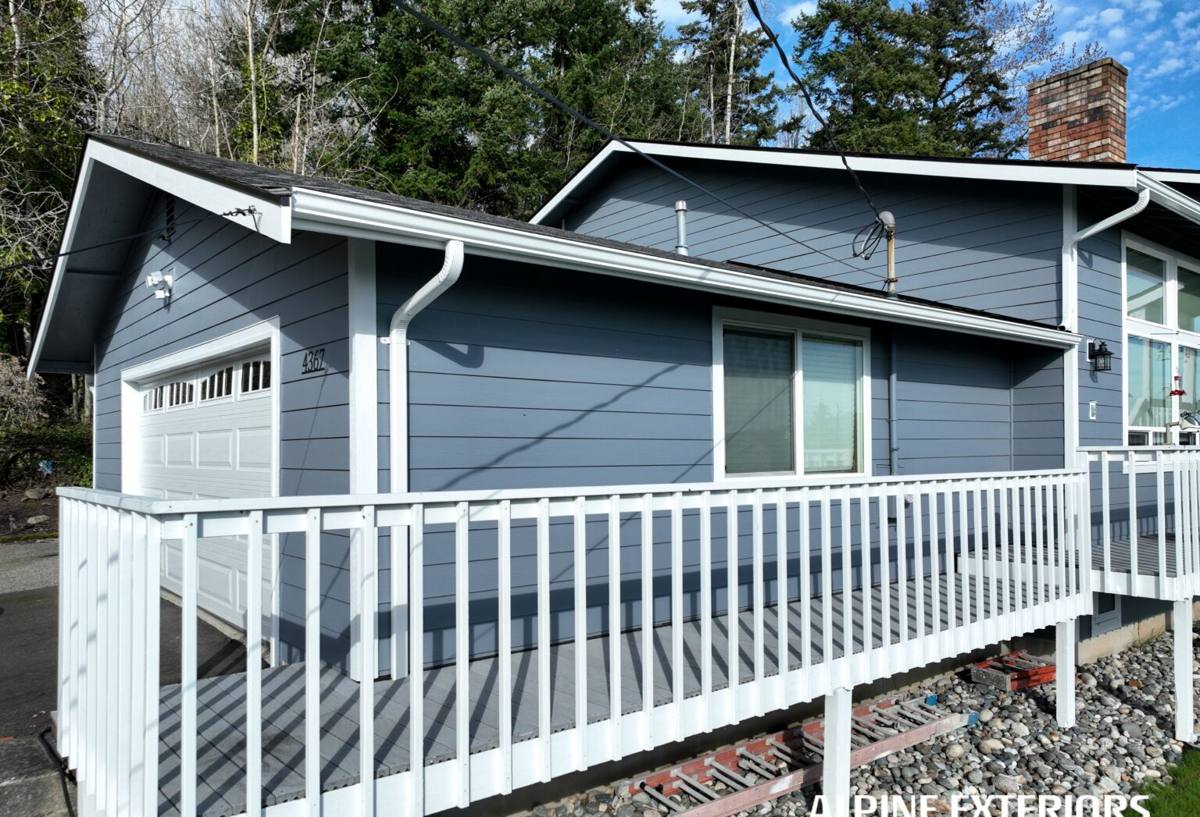
What Local Homes Actually Need From a Shingle Roof
A shingle roof isn't just shingles. It's a system, and every layer of that system has a job to do against Florida conditions specifically.
Wind Performance
Florida's building code sets minimum wind-uplift standards for a reason. In Pasco County, that means shingles rated for high wind, installed with the correct nailing pattern, at the correct nail count, in the correct location on each shingle. A roof that looks fine from the ground can still be under-nailed or nailed with a nail gun set too high, which drives fasteners through the shingle instead of seating them properly. That's one of the most common causes of shingles lifting or blowing off in a storm that a "worse" but correctly nailed roof would have survived without damage.
Underlayment and Water Intrusion
Wind-driven rain doesn't fall straight down — it gets pushed sideways and up under shingle tabs, especially at hips, ridges, valleys, and anywhere the roof plane changes. The underlayment beneath the shingles is what actually keeps water out when that happens. A synthetic underlayment with properly lapped seams, combined with self-adhering membrane at vulnerable areas like valleys and roof-to-wall transitions, does far more to prevent leaks during a heavy squall than the shingle brand does.
Attic Ventilation and Heat
Intense, near-daily UV exposure and high attic temperatures accelerate the aging of asphalt shingles from underneath as well as above. A roof with poor intake and exhaust ventilation traps heat, which shortens shingle life, can void manufacturer warranties, and raises cooling costs in the rooms below. Ridge vents, soffit vents, and a clear path for air to move between them are part of a correct installation, not an optional upgrade.
Flashing and Fasteners
Salt air moving inland corrodes unprotected metal over time, which is why flashing, drip edge, and fastener quality matter more here than in an inland, non-coastal climate. Corrosion-resistant materials at every metal component of the roof — not just the shingles — is part of what separates a roof that lasts from one that develops slow leaks at year eight or nine.
Signs an Angus Valley Roof Needs a Closer Look
Most shingle roof problems don't start as leaks. They start as small, visible warning signs that are easy to miss from the ground. Homeowners who catch these early usually face a repair; those who don't often end up facing a replacement.
- Shingles that look cupped, curled at the edges, or have lost their flat profile
- Bald spots where granules have worn away, or noticeable granule buildup in gutters
- Cracked, torn, or missing shingles, especially after a windstorm
- Soft or discolored ceiling spots, particularly near valleys or chimneys
- Visible daylight or gaps in the attic where the roof deck meets the walls
- Nail heads popping through the shingle surface
- Moss, algae streaking, or persistent dark staining across large sections of the roof
- Flashing around vents, skylights, or the chimney that looks lifted, rusted, or separated from the roof surface
Any one of these on its own isn't necessarily an emergency, but several appearing together, or a roof that's approaching 15-20 years old, is worth a real inspection rather than a guess.
How Our Asphalt Shingle Roofing Process Works
Whether the job is a targeted repair or a full replacement, we follow the same basic sequence on every Angus Valley roof we work on.
1. Inspection and Honest Assessment
We start on the roof, not just with a drive-by look. That means checking shingle condition, decking integrity, flashing points, and attic ventilation before recommending anything. If a repair genuinely solves the problem, we say so. We don't push a full replacement on a roof that doesn't need one.
2. Deck Inspection and Repair
Shingles are only as good as what's underneath them. Any soft, delaminated, or water-damaged decking gets identified and replaced before new material goes down. Installing new shingles over a compromised deck is one of the most common causes of premature failure, and we won't do it.
3. Underlayment and Flashing First
Before a single shingle is installed, we lay down synthetic underlayment with properly lapped, sealed seams, and install self-adhering membrane at valleys and other high-exposure areas. New drip edge and flashing go in at this stage too, using corrosion-resistant materials suited to our salt air.
4. Shingle Installation to Wind-Rated Specs
Shingles are installed with the manufacturer's specified nailing pattern and nail count for high-wind performance, not a faster shortcut pattern. Every hip, ridge, and valley is finished according to the manufacturer's application instructions, since these are the areas most likely to fail first if rushed.
5. Ventilation Check
We confirm intake and exhaust ventilation is adequate for the attic space, and add or correct it where it isn't, so the new roof isn't fighting trapped heat from day one.
6. Final Walkthrough
We walk the finished roof and the property, clean up debris and stray fasteners with a magnetic sweep, and go over what was done and what to expect going forward.
Choosing a Shingle: What Actually Affects Cost and Performance
Homeowners often assume shingle brand is the main decision to make. In practice, shingle class, wind rating, and installation quality affect performance and longevity more than brand alone. The table below breaks down the general tiers of asphalt shingles available and the trade-offs of each, in broad terms.
| Shingle Type | Typical Wind Rating | General Lifespan | Best Fit |
|---|---|---|---|
| 3-Tab (Standard) | Lower wind ratings, thinner profile | Shorter end of the range | Budget-conscious projects, secondary structures |
| Architectural / Dimensional | Higher wind ratings, heavier construction | Mid-to-long range | Most primary residences; the common standard choice today |
| Impact-Resistant Architectural | Highest available wind and impact ratings | Long range, often with stronger manufacturer warranties | Homes prioritizing storm resilience and potential insurance credits |
Insurance premiums can sometimes be affected by shingle class and wind rating, so it's worth asking your insurance provider what documentation they require if that's a factor in your decision. We can tell you what a given shingle is rated for; we can't quote or guarantee insurance outcomes, since that depends on your specific policy and carrier.
Repair or Replace: How to Think About It
Not every roof problem calls for a full tear-off. As a general guide:
Repair usually makes sense when damage is isolated — a section of missing shingles after a storm, a single failed flashing point, or a leak with a clearly identifiable, localized cause — and the rest of the roof is in reasonably good condition for its age.
Replacement usually makes sense when the roof is nearing or past the end of its expected lifespan, granule loss and shingle brittleness are widespread rather than isolated, there's evidence of repeated past leaks or patch jobs stacked on top of each other, or the decking itself has sustained damage across multiple areas.
We'll tell you honestly which category your roof falls into, including when a repair is the right call even if a replacement would be the bigger job for us.
Maintenance That Extends Roof Life in This Climate
A correctly installed shingle roof still benefits from basic upkeep, especially given the sun and storm exposure typical of the area.
- Keep gutters clear so water isn't backing up under the shingle edge
- Trim back overhanging branches that scrape shingles or drop debris onto the roof
- Have the roof checked after any major windstorm, even if nothing looks obviously wrong from the ground
- Address small issues — a lifted shingle, a cracked pipe boot — before they become water intrusion problems
- Schedule a periodic inspection every couple of years, particularly as the roof passes the ten-year mark
Why Working With a Crew That Knows Angus Valley Matters
Roofing crews that regularly work in Land O'Lakes and Pasco County understand which details actually matter for homes in this specific climate — how much wind uplift resistance is worth prioritizing, how attic ventilation needs differ from what you'd spec in a drier or cooler region, and how salt air and UV exposure play out over years, not just at installation. That local pattern recognition shows up in the small decisions during a job: where to add extra underlayment protection, how to detail a valley, which fastener spec to insist on. We bring that same attention to every Angus Valley roof we work on, and we're straightforward about what your roof actually needs versus what would just be an upsell.
If you're dealing with storm damage, an aging roof, or just want an honest read on where your shingles stand, we're happy to take a look. Reach out for a free, no-pressure estimate using the form below.